A Novena for Your Family: Nine Days of Prayer at Home
16 November 2026 · Grace Cathedral
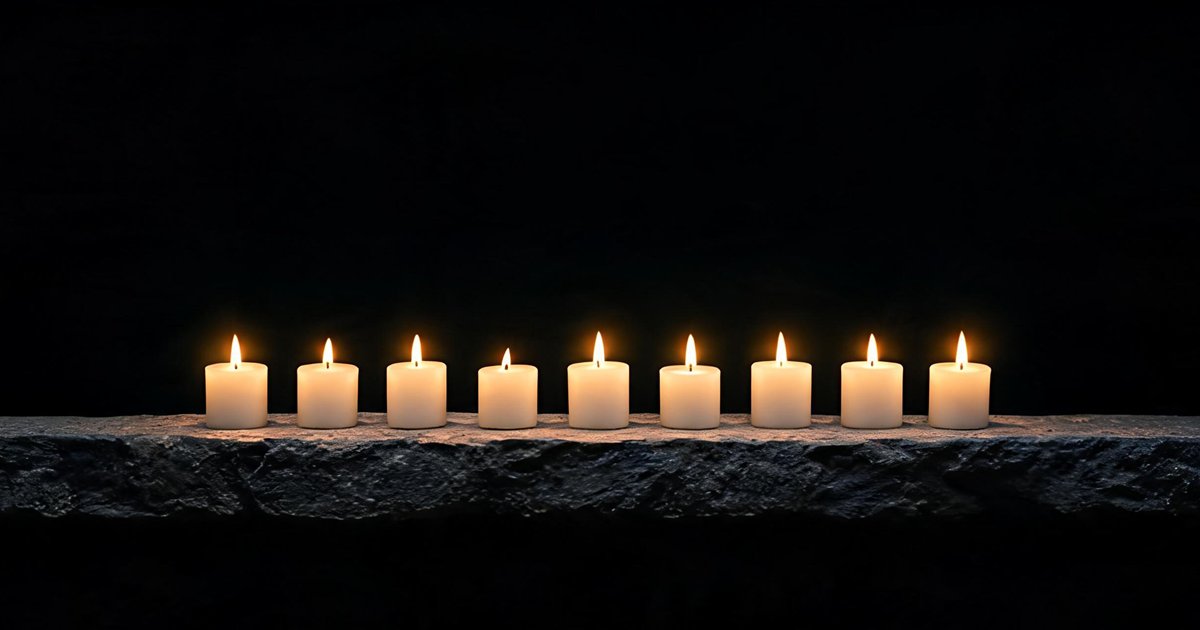
Most family novenas begin badly. Someone is not speaking to someone else, a teenager has stopped coming to dinner, a marriage has gone quiet in a way that neither person knows how to name. Nine days will not fix any of that. What they will do is put the household in front of God for a few minutes a night, which is more than most families manage, and it is a place to start.
The Holy Family Was Not a Postcard
The Holy Family of Jesus, Mary, and Joseph is often painted as three people who never raised their voices. Read the Gospels and a stranger picture appears. They fled to Egypt with a small child because a ruler wanted him dead. When Jesus was twelve he stayed behind in Jerusalem for three days; his parents searched in terror, and Luke says plainly that they did not understand what he said when they found him.
Simeon had told Mary that a sword would pierce her heart. This is the family the Church holds up: not a household without trouble, but one that kept going through it. That is the only kind of family a novena is for.
What to Ask For
Vague intentions produce vague prayer. Choose one of these and put a name to it.
- Peace at the table. Not the absence of disagreement, but the end of the silence that follows it.
- Someone who has left. A son who does not call, a sister who moved away, an adult child who has decided the family is not good for them. Pray for them by name; do not pray that they come to their senses.
- The children still in the house. For their safety, for good friends, for an adult in their life they can trust. Pray for them rather than about them.
- Your own patience. Usually the most neglected intention in the novena, and the one that changes the house most.
The Nine Days at the Table
You do not need a booklet. You need a fixed time, a candle, and one sentence repeated. If you want the background of the practice itself, the guide on what a novena is explains why nine days.
At the table, before the meal or after it, light the candle and say the prayer on this page. Then one Our Father. Then each person names aloud the person they are carrying, or says the name in silence. Blow out the candle and eat.
At bedtime, with children, keep it shorter still: one line of thanks, one name, and the candle if it is safe. A novena a child can finish is better than one they are marched through.
A Prayer for the Family
Lord Jesus, you lived in a household in Nazareth and you know what families are. Open our ears to one another, and shut our mouths when we are about to say something we cannot take back. Hold ______ close to you tonight. Where there is distance, be the bridge. Where there is old anger, soften it, and begin with mine. Make this house a place where people can tell the truth and still be loved. Amen.
Then a Hail Mary for the person you find hardest to pray for. That is the point of a family novena, and everyone who has prayed one will recognise the instruction.
When Someone in the Family Is Not Speaking to You
Here the novena becomes dangerous in a small, ordinary way: it can turn into a tool. Do not tell someone you are praying for them as a way of making them feel watched. Do not leave the prayer leaflet on the table where they will find it. Do not expect day seven to soften them into a phone call. That is not reconciliation; that is a technique, and it usually breeds resentment.
What you can do is restrain yourself. The Church has a long, unglamorous tradition of keeping silent when speaking would cost peace, and most of it was learned at kitchen tables. Pray, then decide what you are not going to say. If the time comes to speak, speak plainly, briefly, and go first.
Doing It Badly, With Children
The perfect family prayer is a fantasy that keeps people from praying at all. The real version has somebody giggling, somebody asking to be excused, and a candle that will not light. Do it anyway, badly, at the same hour, for nine days.
Children remember the habit, not the words. They will forget the sentence you carefully wrote and remember that the kitchen went quiet for three minutes and nobody was angry. If you want a seasonal frame, the Advent prayer guide and the Christmas novena both work with children and begin with a lit candle.
Questions People Ask
Can we pray a family novena with small children?
Yes, if you keep it short. One Our Father, one Hail Mary, one line naming the person you are praying for, and a candle to light. Three minutes at the table is a real novena. A version that children dread is not.
Should I tell my family I am praying for them?
You can, but you are not obliged to. If the news would feel like pressure, keep it to yourself. Prayer does not need an audience, and a family member who discovers they were prayed for quietly is usually moved rather than managed.
What if my family will not pray with me?
Then pray alone, at the same hour, for them. A novena does not require a quorum. One person praying in a house is not nothing; it is how most family novenas have always begun.
Is it wrong to pray that a relative changes their mind?
No, but be careful how you ask. Pray for their good rather than for your victory, and be willing to hear that you may be the one who needs to change. Prayer that is really an argument tends to make a household harder, not gentler.
How do we keep count over nine days?
Put nine matches, nine dried beans, or nine sticky notes on the table and remove one each night. Children take this seriously, and a visible count is harder to abandon on day five.
No family is as tidy as the one in the novena, including the one that wrote it. But a house where someone prays is a different house, in ways that are hard to measure and easy to feel. If you would rather not count alone, the prayer calendar will keep the nine evenings straight, and the online chapel is there for the nights when the kitchen is the last place you want to pray.
Light one candle, and let the room go quiet for three minutes.
Walk into the chapelGrace Cathedral · All guides · The Christmas novena