What Is a Virtual Memorial Page? A Quiet Place Online
16 November 2026 · Grace Cathedral
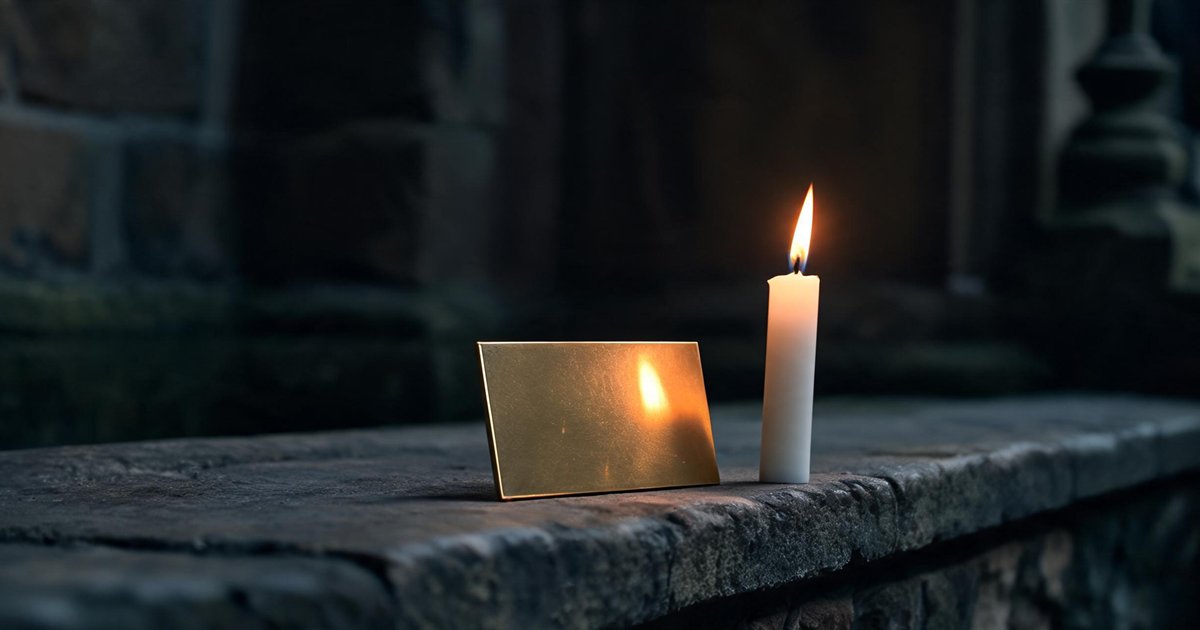
A virtual memorial page is one page online that holds a person's name, their dates, a photograph, a few hundred words about their life, and a place for others to leave a message or light a candle. It is not a social profile, and it is not a substitute for a funeral. It is closer to the notice once pinned in a parish porch: a public record that someone lived.
What a Memorial Page Is For
The practical case is simple. Families are scattered, and half the people who should be at a funeral cannot get there. A page gives them somewhere to put what they would have said at the vigil, and it collects details that would otherwise be lost within a month.
There is a quieter purpose too. Grief is not evenly distributed. It arrives at eleven at night, on a Tuesday, six years later, and a page gives that hour somewhere to go.
What Belongs on It
- The whole name. The one on the birth certificate and the one people actually used, if they were different.
- The dates. Birth and death. If the family prefers, the year alone is enough.
- One good photograph. The one where they look like themselves, not the formal portrait taken at a wedding in 1978.
- A short life. Two or three hundred words, facts first, then small details. Names of children, places lived, work done, a habit that everyone recognised.
- The funeral details, once they are public: the church, the times, whether flowers or a charity are preferred.
- A candle that visitors can light, and a guestbook for messages.
- One prayer or verse, if it was theirs. Not yours.
Public, Private, and the Line Between Them
Decide who the page is for before you publish it, because that decision is hard to reverse. A public page can be found by search engines and by people the family has not spoken to in twenty years. A private one, shared by link, is the better default at first.
Some things should not go online at all, whatever the settings: a home address, the school or full name of a living child, medical detail, and the cause of death if any close family member objects. And the person at the centre of the page cannot consent to any of it. When in doubt, publish less.
The page should also say who is running it, and how to ask for a correction or a removal. A named person and an email address turn a complaint into a conversation.
The Year After
Anniversary reminders are the most useful and most quietly painful feature of these pages. Set them yourself, for the dates that matter, and turn off anything the platform sends by default. A reminder you chose is a small act of love. A marketing email about a parent who died is not.
There is no rule about how long a page should stay up. Some families keep one for a decade and visit it on the birthday. Others download the text after the first anniversary and let the page close. Neither is a betrayal.
Inviting People Without Making It an Event
The best invitation is short and gives people an exit: We have made a page for Dad. There is nothing you need to write. Here is the link, if you would like to see it. Put it in the funeral notice, or send it to those who could not come. Do not publish before the death is announced.
Then leave it alone. Do not check the visitor count, do not ask why people have not written, and do not read the guestbook as a measure of how much your father was loved. It is not a scoreboard. If you want the mechanics of candles, the guide to lighting a candle online walks through it.
Etiquette for Visitors, and for the Family
If you are writing a message, one true sentence beats a paragraph of theology. Say how you knew them, or what they did for you. Avoid anything beginning with at least. Do not explain the death to the family or correct a detail in the life story, however wrong. Send a private note instead.
If you are the family, you are not obliged to reply to anyone. A page that becomes a second inbox will start to feel like work, and then you will stop visiting it. Read the messages on a day you chose, not on the day they arrive.
Lord, remember ______, whom you made and called by name. Let this page be a place of truth and not of performance, a place where people may say what they loved and ask for what they need. Keep us gentle with one another while we grieve. Amen.
Questions People Ask
Is a virtual memorial page allowed in the Catholic Church?
Yes. It is a way of sharing news, gathering prayers, and keeping a name in front of people, and it needs no permission. It does not replace the funeral liturgy or the burial.
Should a memorial page stay online forever?
That is up to the family. Some pages are kept for years and visited on anniversaries; others are archived after the first year. Neither is disloyal, and you can change your mind.
Can I make a page for someone whose family has not?
Ask first. A page created without the family's knowledge can reopen grief or start an argument about who has the right to tell a life. If the family says no, respect it and pray for the person privately instead.
What should I write if I did not know them well?
One true sentence is enough: how you met, what they did for you, or a single detail you remember. Do not perform grief you do not feel.
Is lighting a candle on a memorial page a real prayer?
The candle is a sign, and the prayer is yours. A sign does not need to be physical to be honest. What makes it prayer is the intention you bring, not the glass it is in.
A page is a small thing and will not hold a whole life. It can hold a name, a face, and the fact that other people remember too, which is what most mourners are asking for. To go further than a message, the guide to keeping a memorial candle explains how a flame stays lit, and praying for the dead explains why Catholics keep speaking to God about the people they have lost.
One name, one candle, and a chapel that keeps the light on.
Walk into the chapelGrace Cathedral · All guides · Memorial candles